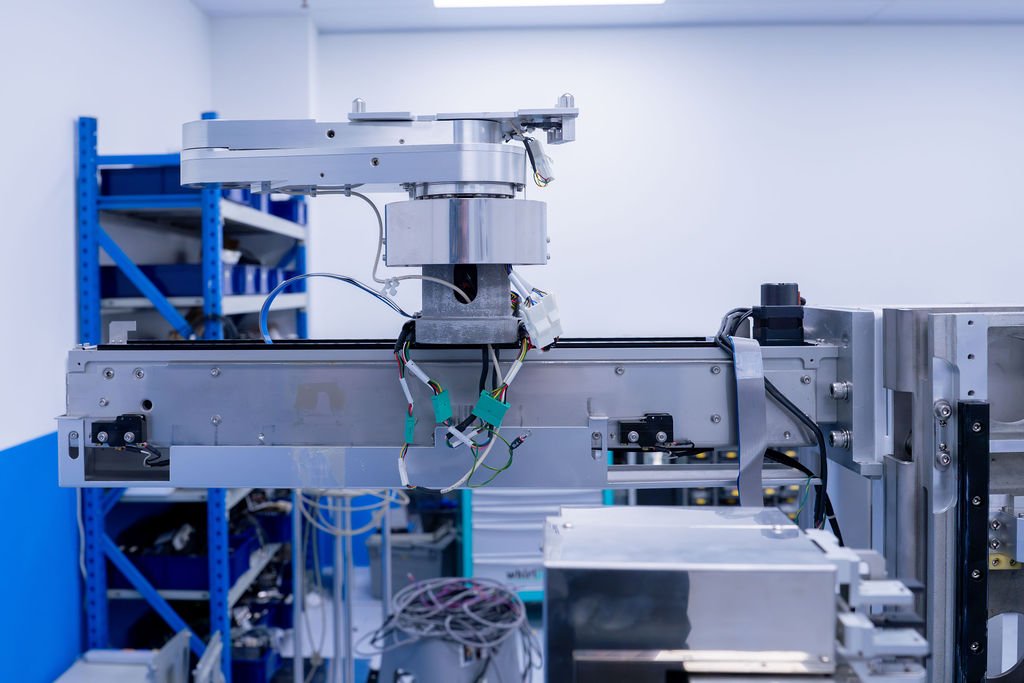
What These Robots Actually Do
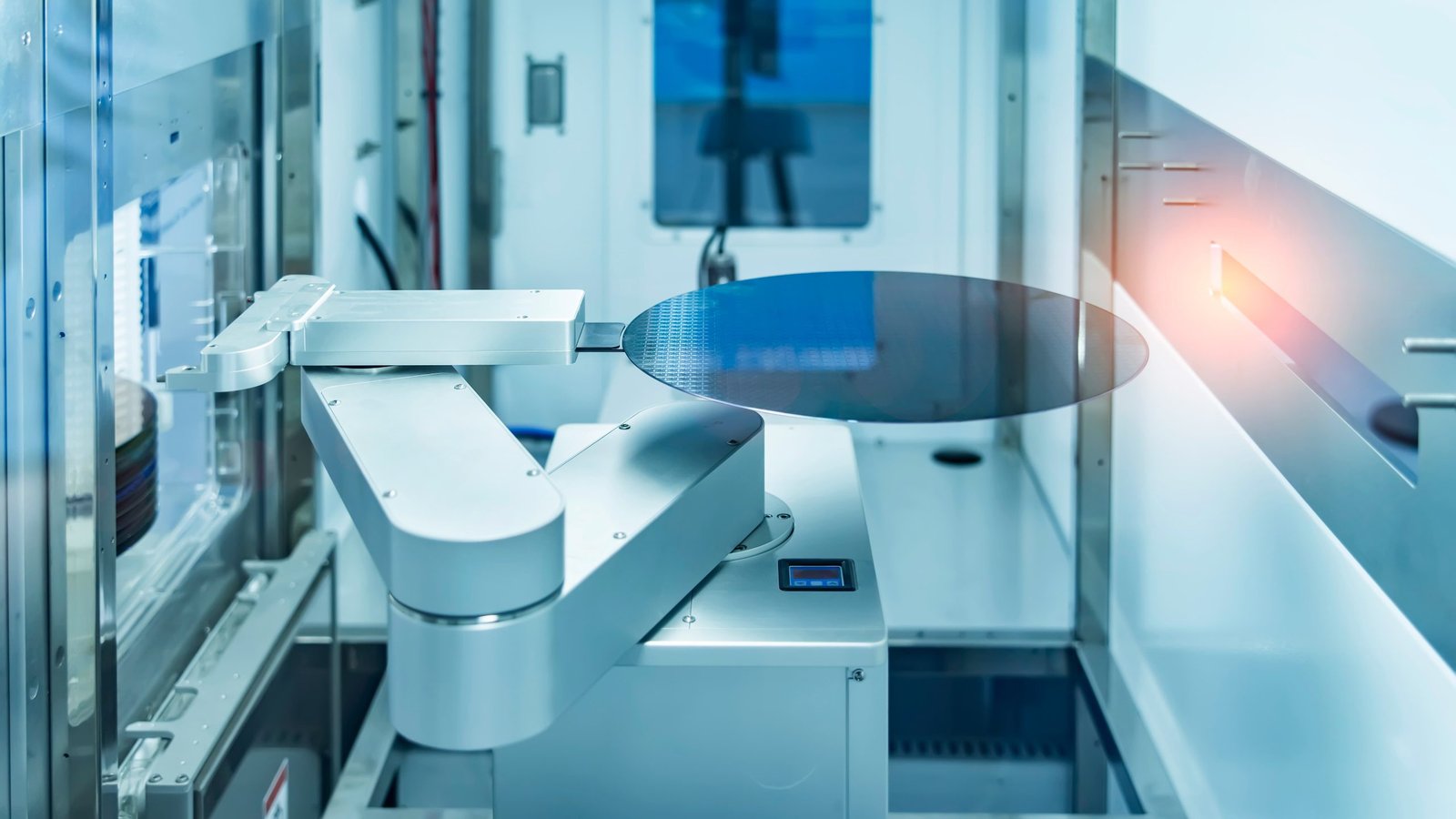
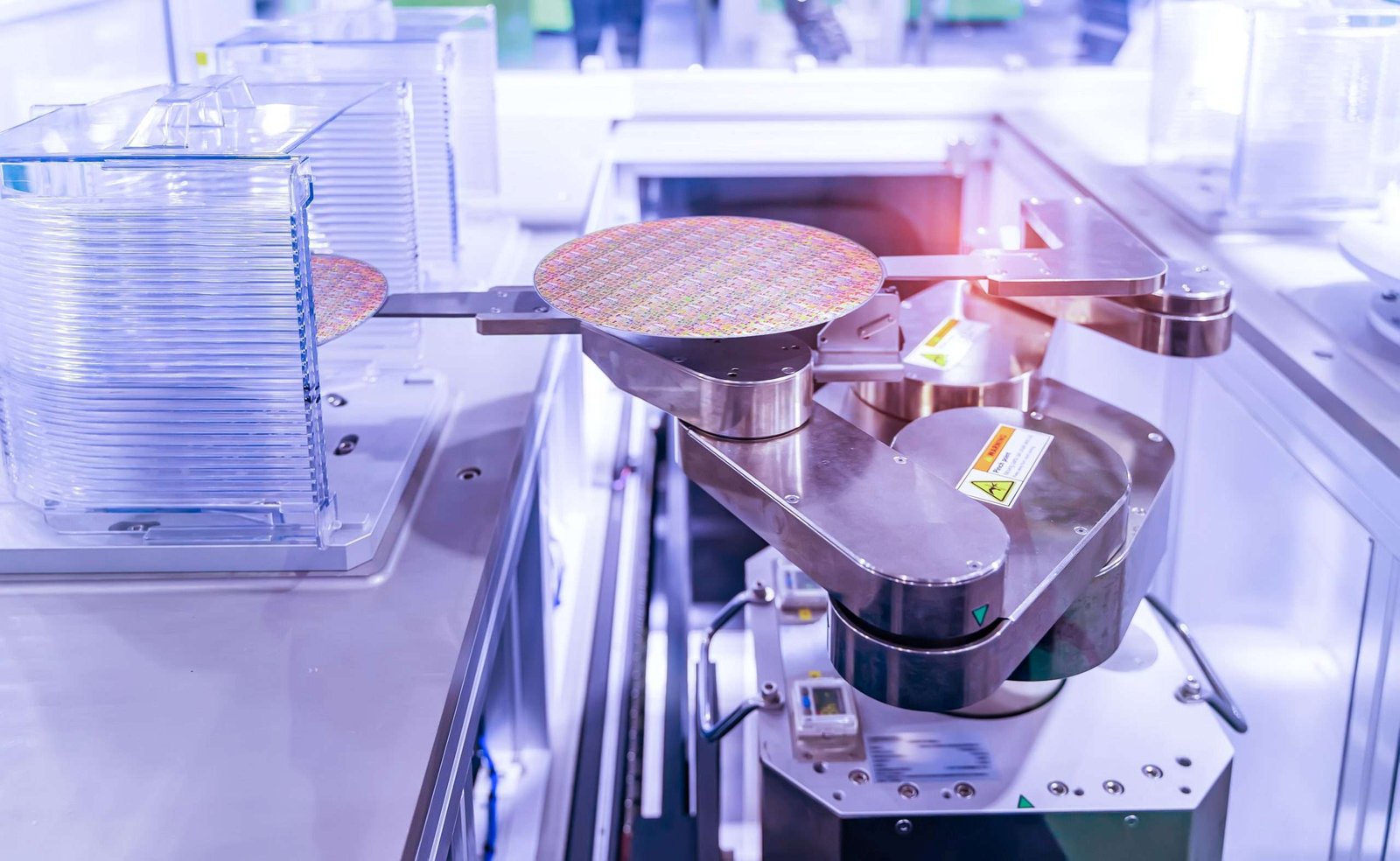
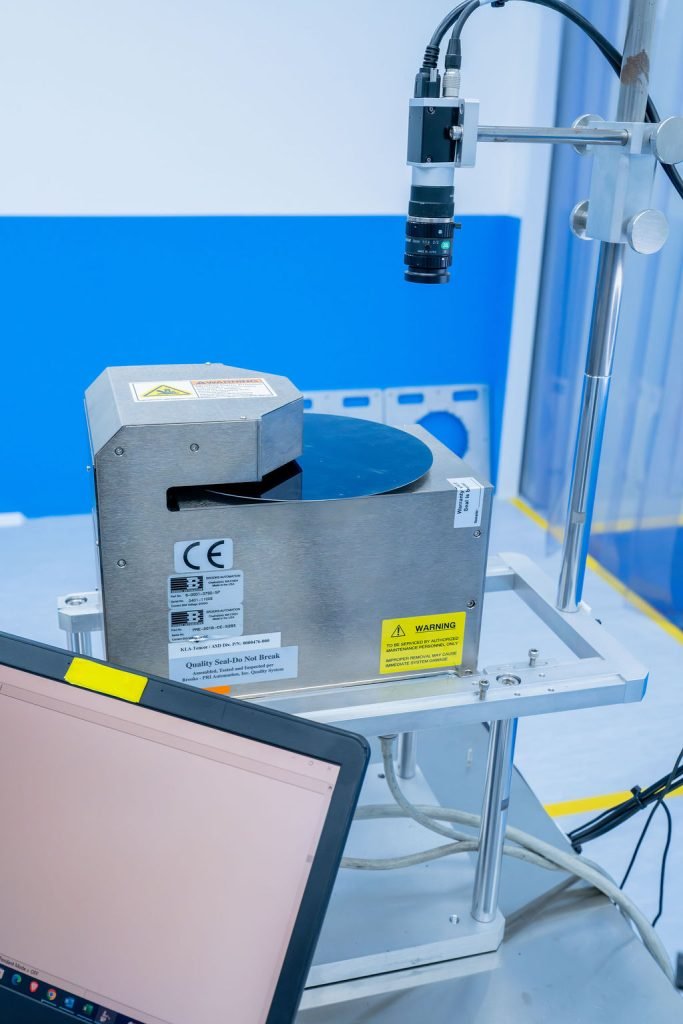
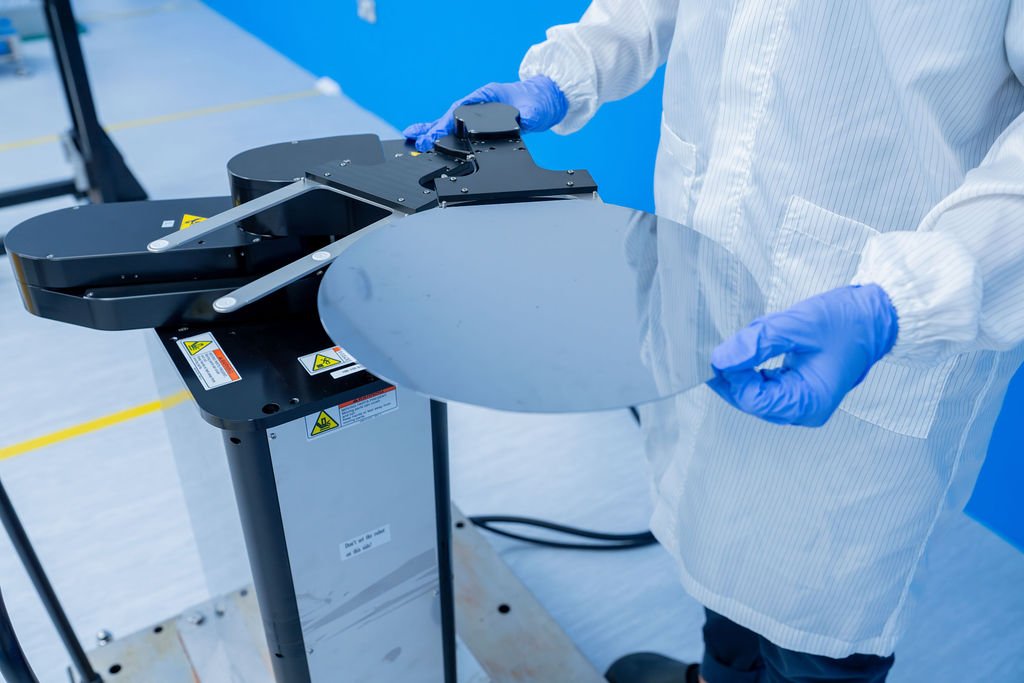
A wafer never travels through a fab by hand. Robots do that work instead, and they do it in two different environments. Atmospheric robots sit inside the equipment front end module, pulling wafers out of cassettes or FOUPs and passing them to load locks or pre-aligners. Vacuum robots take over from there, moving wafers between process chambers without breaking vacuum, since exposing a wafer to atmosphere mid-process would ruin the work already done on it. Both types have to place a wafer within microns of the same spot every single time, thousands of times a day, without touching the surface that matters. That combination of speed, repeatability, and minimal contact is what makes robotic handling necessary in the first place. It’s also what makes even small mechanical drift a real production problem rather than a minor inconvenience.
Keeping Wafer Handling Robots Production-Ready
Wafer handling robots move wafers between process steps with tight tolerances and almost no room for contamination. When a robot drifts even slightly out of position, the risk isn’t just a stalled tool. It’s scratched wafers, particle contamination, and a line that stops producing until someone fixes it. If you run front-end fab equipment, keeping these robots in spec is one of the highest-value maintenance jobs on the floor.
Where Wear Shows Up First
Robot wear rarely announces itself with a hard failure. It shows up gradually. Teach points drift as mechanical components settle over thousands of cycles. End effectors wear at the contact points where they grip the wafer. Belts and gears lose precision long before they fail outright. Each of these issues degrades handling accuracy before an operator notices anything wrong on the line. Catching that drift early is what separates a scheduled service visit from an unplanned production stop.
Three Ways to Address It
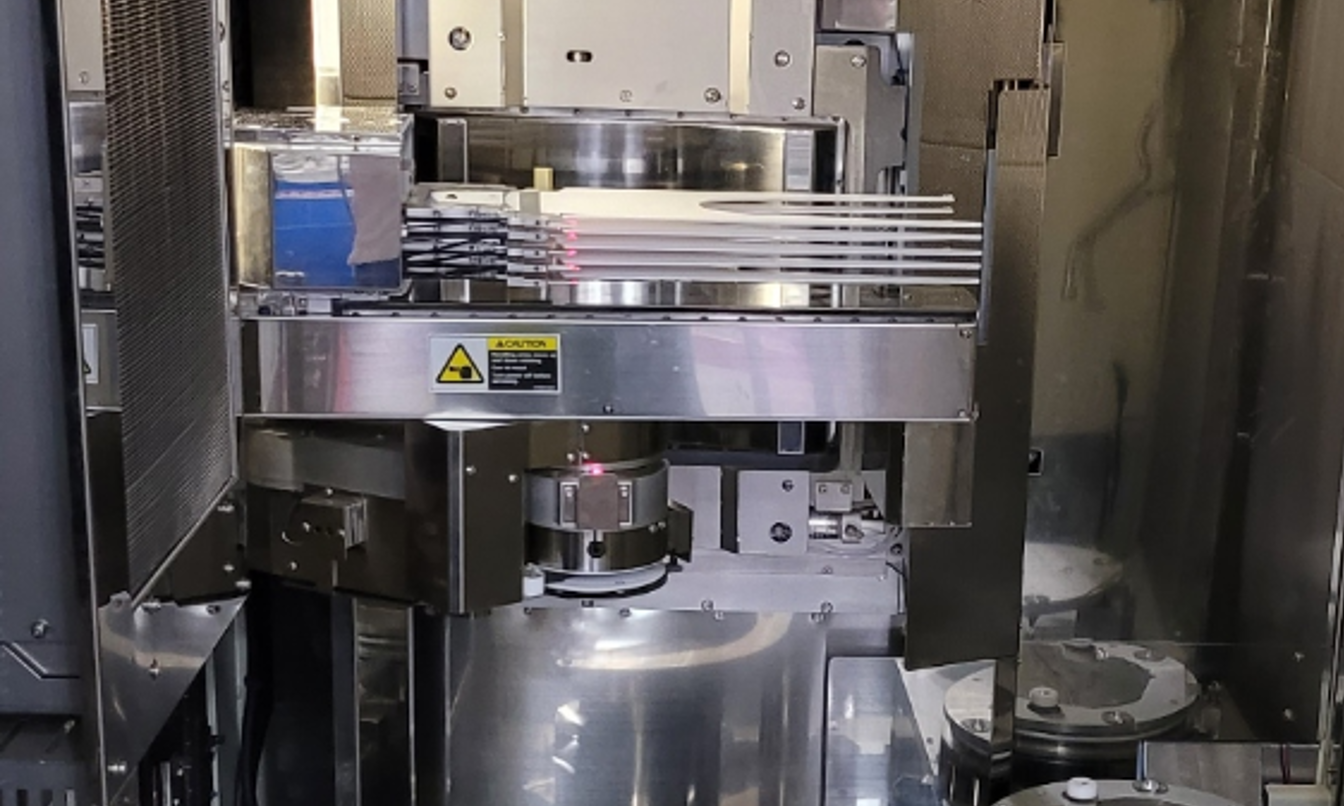
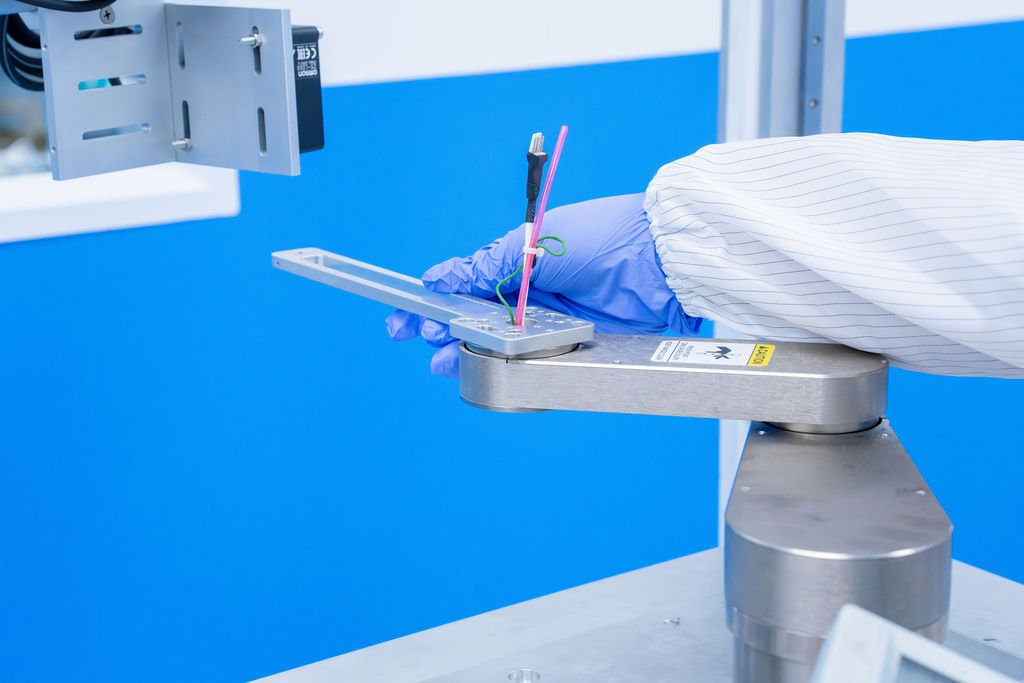
Most wafer handling robot issues fall into one of three service paths. One path is parts replacement, refurbishment, and performance testing, which restores a robot’s components to spec. A second path is on-site levelling, alignment, and teaching, which fixes a robot that’s mechanically sound but out of calibration. A third path is a custom build, which fits fabs that need a robot configured for a specific application rather than a stock unit. Knowing which path your problem falls into determines the right response. A bench repair solves one kind of problem. A field visit solves another. A new build solves a third. Getting that call right saves time before a technician even arrives.
What Levelling, Alignment, and Teaching Actually Fix
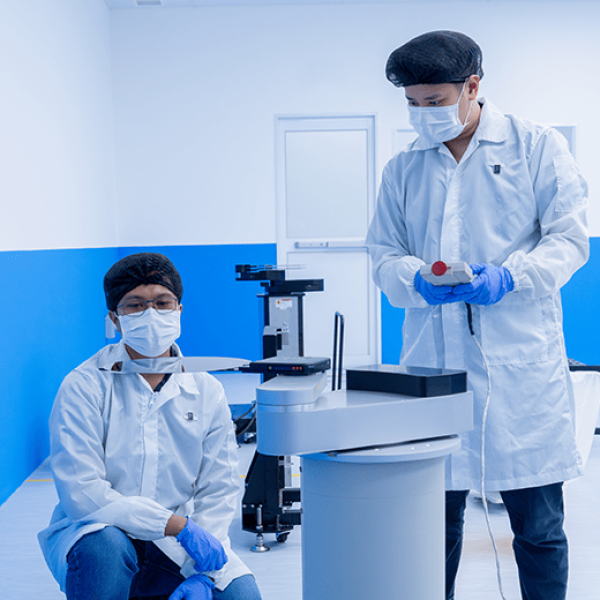
These three processes get grouped together, but they solve different problems. Levelling corrects the physical base position of the robot relative to the tools around it. Alignment corrects the robot’s reach and orientation so it interacts correctly with wafer cassettes, load ports, and process chambers. Teaching reprograms the robot’s reference points so its software matches where those components actually sit today, not where they sat when the robot was first installed. A robot that’s been moved, serviced, or has simply drifted over time usually needs some combination of all three to return to full accuracy.
Upgrading Materials to Extend Service Life
Repair brings a robot back to its original specification. Component upgrades can take it further. Replacing wear parts with higher-quality materials at the same interface points improves durability without changing how the robot integrates into your line. Over time, this reduces how often those components need attention and extends the robot’s usable life beyond what the original build was rated for.
Brands We Service
Global TechSolutions services wafer handling robots from TEL, AMAT, Yaskawa, Kawasaki, Brooks, Brooks-PRI, Rorze, Sankyo, Asyst, LAM, Sinfonia, and Genmark. Our engineers work across these platforms directly, so a mixed-brand fab doesn’t need separate vendors for separate robots. Parts, refurbishment, and on-site service run through the same team regardless of which brand is on your line.
Get in Touch With Us
If a robot on your line needs repair, recalibration, replacement or customisation, talk to our engineers about your specific platform and application. Contact Global TechSolutions to arrange a technical assessment.