Two Materials, Two Very Different Jobs
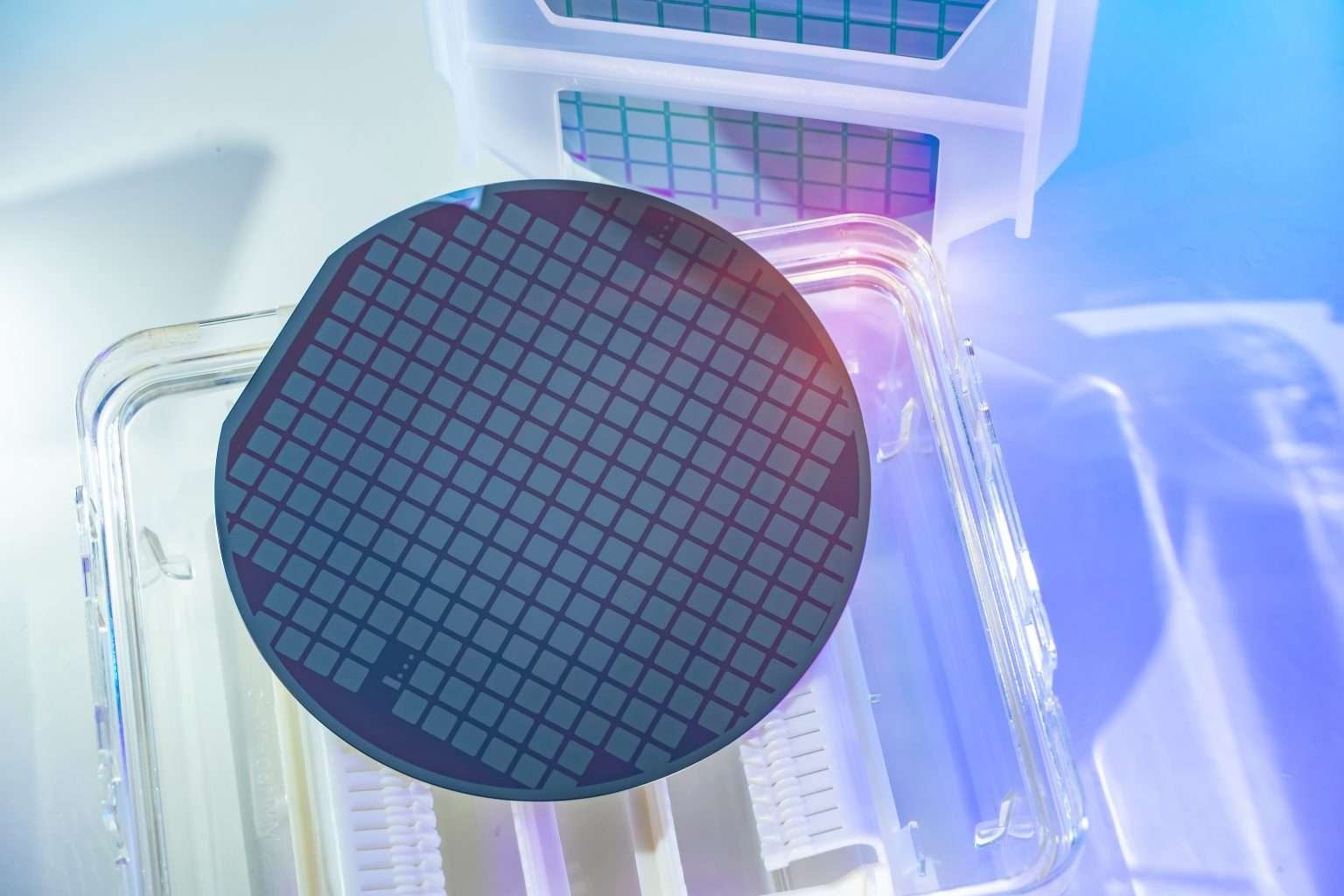
Front-end wafer fabrication runs on process chambers that combine extreme heat, aggressive chemistry, and contamination limits measured in parts per billion. Metal parts can’t survive that environment without breaking down or introducing contamination of their own. Fabs turn to quartz and ceramic instead, and each material earns its place for different reasons depending on the process step. If you’re sourcing consumable or fabricated parts for a front-end line, knowing which material fits which application saves you from specifying the wrong one.

Where Quartz Components Are Used
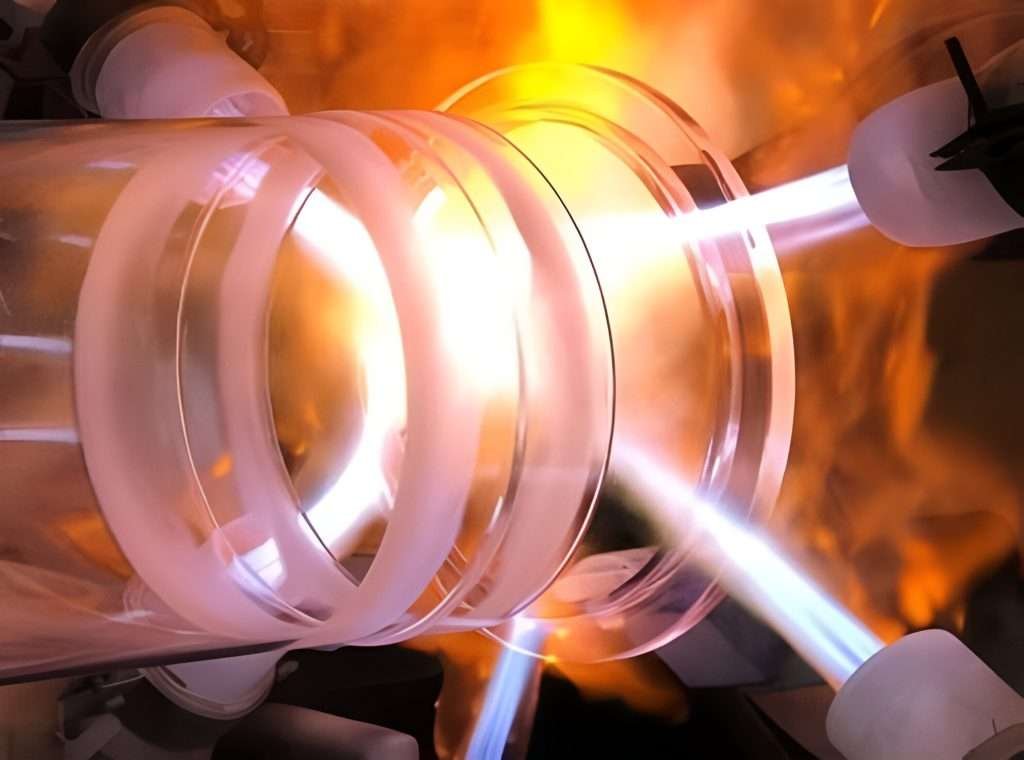
Quartz shows up across nearly every thermal and wet process in a fab. In diffusion and oxidation furnaces, quartz process tubes, liner tubes, pedestals, and boats hold and transport wafers through high-temperature cycles without deforming or reacting with the process gas. In epitaxy and thin film deposition, quartz reactor chambers, injectors, and showerheads keep gas flow stable and repeatable across a run. In etch and wet clean processes, quartz rings, focus rings, and bath vessels hold up against plasma exposure and aggressive chemistry that would corrode most other materials within a few cycles. What ties these applications together is quartz’s combination of high purity, thermal stability, and chemical resistance, which keeps the part from becoming a contamination source itself.
Where Ceramic Components Are Used
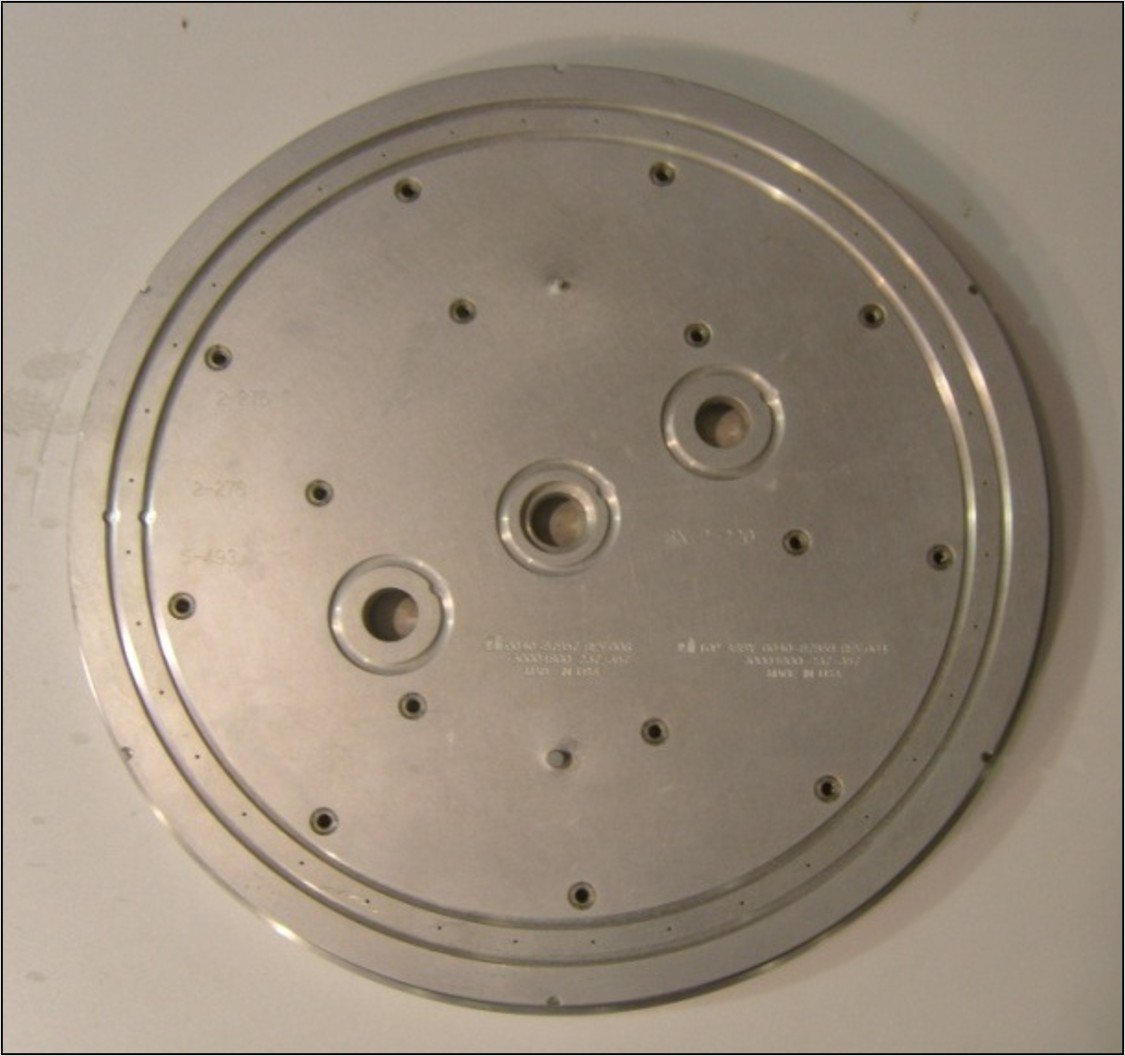
Ceramic covers the applications where quartz isn’t the right fit, usually because a process needs more wear resistance, better electrical insulation, or performance at temperatures beyond what quartz handles well. Alumina and aluminium nitride are common choices for electrical insulation and heat transfer in process hardware. Zirconia and silicon carbide hold up under mechanical wear in components that see repeated contact. Yttria and silicon nitride get used where plasma resistance matters most. Each ceramic grade behaves differently under heat, chemical exposure, and mechanical stress, so matching the grade to the application is what determines whether a part lasts through normal service life or fails early.
Why Sourcing and Quality Control Matter
A quartz or ceramic part is only as good as the raw material it’s fabricated from. Global TechSolutions sources quartz through established suppliers including Momentive, Heraeus, Tosoh, and Pacific Quartz, and every component goes through design review and quality checks before it reaches your line. On the ceramic side, working across multiple material grades means matching composition to application rather than defaulting to whatever is easiest to source. For parts already in service, modification options exist to extend component lifespan, which reduces how often a consumable needs replacing without changing how it performs in the chamber.
Get in Touch With Us
If you need quartz or ceramic components specified, sourced, or replaced for your front-end line, talk to our team about your process requirements. Contact Global TechSolutions to request a quote or arrange a technical discussion.