

Geniusys





Medical and Healthcare
Medical and Healthcare Solution
Quality Inspection and Metrology for Medical Industry
Manufacturing medical devices requires an exceptional level of precision and structural integrity, where even microscopic errors can compromise patient safety. Manufacturers must navigate unique physical hurdles to produce high-quality, compliant components.
Challenges in Medical Manufacturing
Miniaturisation and Part Fragility
As medical components like syringes, needles, and catheters shrink in size, accurately measuring and handling them without damage becomes difficult. Their delicate materials and microscopic features are easily scratched or deformed by standard fixtures and measurement systems.
Complex Geometries and Intricate Structures
Modern medical designs often include complex, free-form surfaces—like personalized orthopedic implants or the intricate mesh of cardiac stents. Producing these shapes requires advanced multi-axis machining or additive manufacturing, but maintaining the required material density and structural stability during manufacturing is challenging.
Machining High-Performance Biocompatible Materials
The industry depends on strong, durable materials such as Titanium (Ti6Al4V), cobalt-chromium alloys, and specialized polymers like PEEK. Titanium, for instance, has low thermal conductivity, causing heat to build up at the cutting edge. This leads to rapid tool wear and potential part defects unless managed with high-pressure cooling systems.
Achieving Ultra-Tight Tolerances
Medical components often require dimensional accuracy measured in microns, with critical parts like heart valves or implant interfaces needing tolerances as tight as ±0.0001 inches. Maintaining this precision in mass production is extremely challenging, as variations in tool wear, material properties, and thermal expansion must be continuously controlled.
Surface Finish and Cleanliness Standards
Surfaces must be exceptionally smooth to prevent bacterial colonization and ensure biocompatibility, with implants typically requiring roughness (Ra) values as low as 0.1–0.4 μm. Parts also need to be burr-free and produced in controlled environments, such as ISO Class 7 cleanrooms, to eliminate micro-contaminants that could cause adverse patient reactions.
Thermal Management and Structural Changes
Significant heat is generated during grinding and milling of tough medical steels, which can alter the grain structure, cause discoloration, or lead to deformation. Manufacturers must use specialized techniques—such as structured abrasives or liquid-cooled spindles—to achieve a “cool cut” and preserve the component’s mechanical integrity.
Applications
Orthopaedic Implant Verification
Precision Surgical Instruments
Cardiovascular Stents and Valve Components
The main challenge in cardiovascular manufacturing is extreme miniaturization of tubular structures with wall thicknesses as thin as 50–150 microns, where thermal stress must be avoided to prevent material degradation and device failure. Metrology provides non-destructive inspection, often using industrial CT, to verify strut widths remain consistent within 5 microns, ensuring uniform expansion and reliable hemodynamic performance.
Custom Dental Implants and Prosthetics
Achieving a comfortable fit for dental restorations is challenging because each patient’s oral anatomy is unique and requires accuracy within 0.002 inches, while working with hard materials like zirconia or titanium. Metrology is essential to validate thread forms and abutment interface connections, ensuring custom crowns and bridges distribute load correctly and seat perfectly in the jaw.
Small Medical Device Housings
Precision injection molding for pacemaker or insulin pump housings must overcome material deformation and trapped gas defects, especially with ultra-thin wall tolerances of ±0.005 mm. Metrology supports this through real-time process monitoring and machine vision systems that detect sub-micrometer dimensional errors, ensuring each housing is sterile, residue-free, and capable of protecting sensitive internal electronics.
Microfluidic Diagnostic Devices
Manufacturing diagnostic equipment requires maintaining channel width and depth tolerances within 3 microns, as any variation can disrupt micro-scale fluid flow and cause inaccurate test results. Metrology is used to perform detailed 3D analysis of these micro-channels and internal structures, providing the data needed to confirm that diagnostic platforms function reliably and deliver consistent clinical performance.
How Metrology Helps
Ensuring Uncompromising Precision and Dimensional Accuracy
Metrology provides the essential foundation for quality assurance in medical device manufacturing, ensuring every component meets microscopic tolerance specifications. For critical items such as implants and surgical instruments, dimensional accuracy is vital to match the body’s unique anatomy and function correctly. Advanced tools like Coordinate Measuring Machines (CMMs) can measure within 3 microns—about 25 times smaller than a human hair—ensuring the reliability of life-saving equipment.
Navigating Regulatory Compliance and Traceability
High-quality metrology solutions are essential for meeting strict international standards like ISO 13485 and FDA regulations. These standards require full documentation and validation of measurement processes to prove that a device safely meets its intended purpose. Digitised metrology allows manufacturers to automatically collect data across the product lifecycle, creating a traceable audit trail that simplifies compliance and reduces legal risks from defective batches.
Optimising Production Efficiency and Reducing Bottlenecks
Traditionally used only at the end of production, metrology is now being integrated into the manufacturing workflow to identify issues earlier. This shift reduces expensive bottlenecks by allowing parts to be validated in real time instead of being removed for inspection later, which can cause significant waste if defects are caught only at the final stage. Modern systems enable real-time monitoring, allowing immediate machine adjustments and reducing costly production errors.
Supporting the Miniaturisation of Medical Devices
As medical technology moves toward smaller, more intricate designs—such as polymer dental implants or microfluidic diagnostic devices—traditional tactile measurement can sometimes damage parts. Metrology addresses this by using nano- and micro-precision non-contact measurement equipment, such as 3D optical profilers and laser systems. These technologies can accurately validate fragile or complex components with areas that are difficult to reach using contact methods.
Enhancing Biocompatibility through Surface Quality Control
Facilitating Innovation and Rapid Prototyping
Why Use ZEISS Metrology Equipment
Choosing the right metrology equipment is critical for controlling variation in medical manufacturing and ensuring reliable, repeatable measurement results across production environments.
Delivering Uncompromising Precision for Life-Critical Devices
ZEISS offers tailored metrology solutions that meet the highest medical standards, ensuring life-saving equipment operates with absolute reliability. The world’s top medical device manufacturers rely on ZEISS quality intelligence, using a connected portfolio of coordinate measuring machines (CMMs), optical sensors, and microscopes to maintain uncompromising accuracy. This precision is crucial for components like orthopedic implants, where every micron impacts patient outcomes.
Non-Destructive Internal Inspection with Computed Tomography
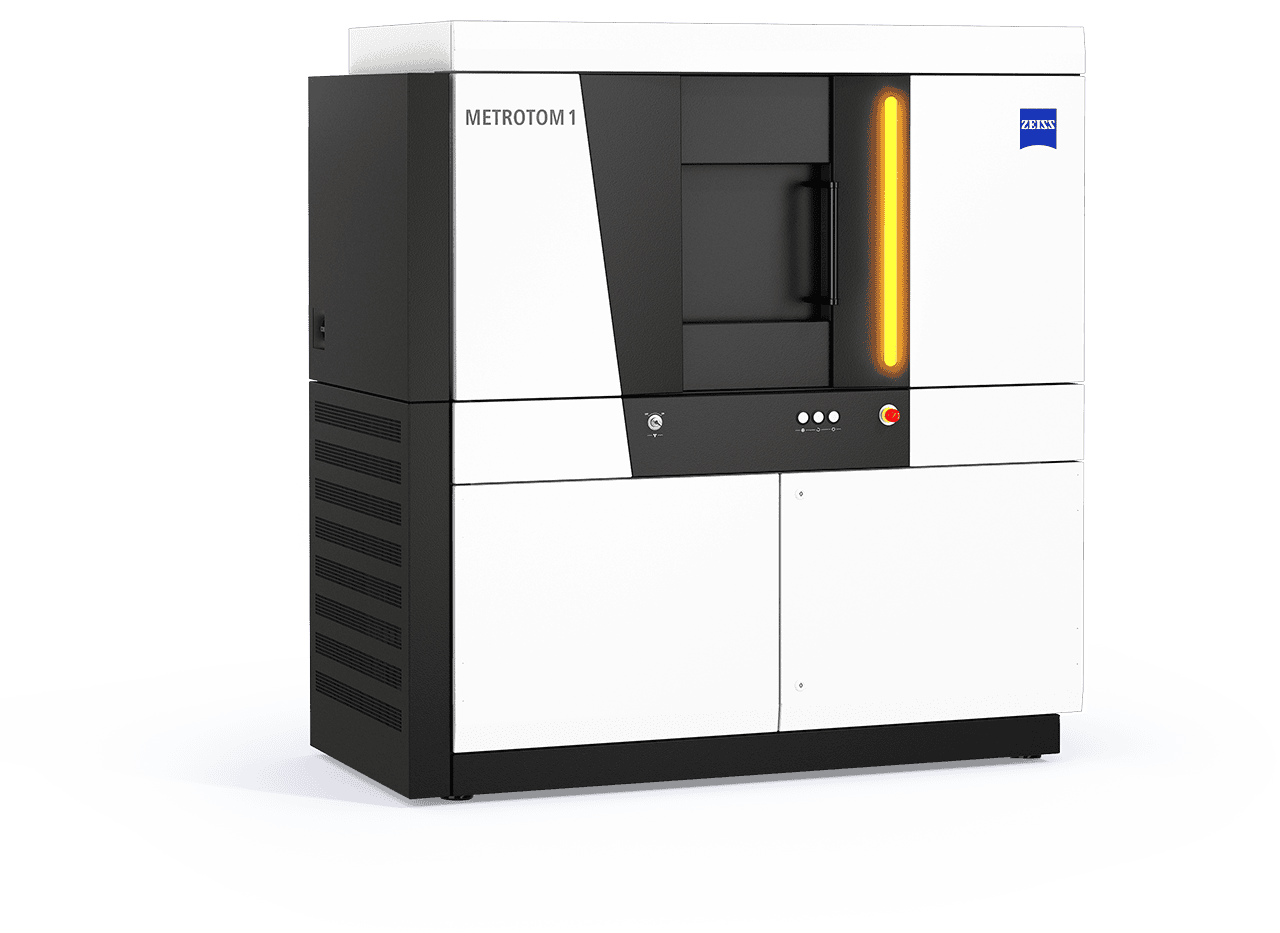
The ZEISS METROTOM 1 uses industrial computed tomography (CT) to scan parts and inspect internal structures without destructive preparation. This enables deep analysis of hidden defects in complex medical assemblies, such as multi-part connectors or fluidic devices. By visualizing all internal and external dimensions in a single scan, manufacturers can ensure total integrity before products reach the clinical environment.
Significant Reductions in Measurement Cycle Times
Integrating ZEISS metrology directly into the workflow significantly improves production efficiency and throughput. For example, Gerresheimer AG used ZEISS solutions to reduce measuring time for complex medical plastics by 50%, enabling faster handling of large volumes of precise data. These advancements allow manufacturers to maintain high-quality standards without creating costly production bottlenecks.
Advanced Analysis of Complex Geometries and Surfaces
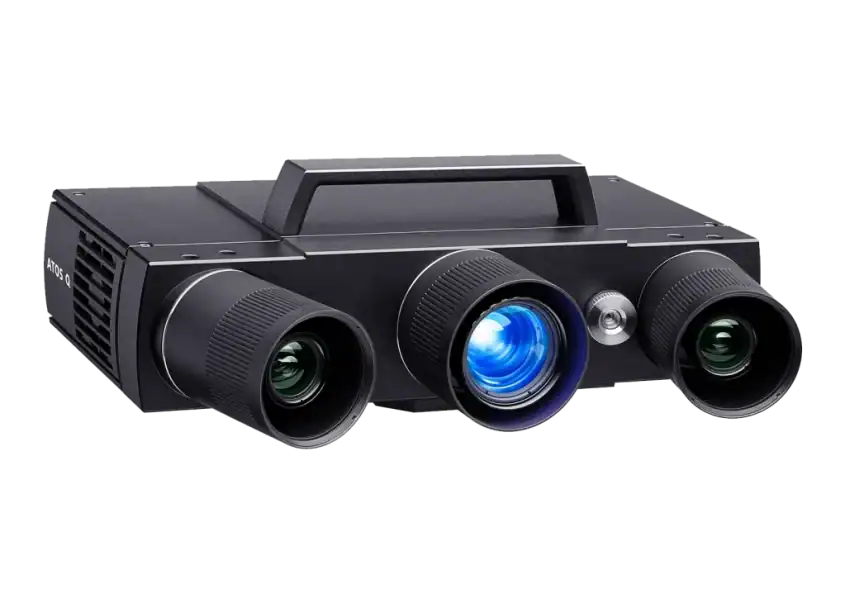
ZEISS optical 3D scanners, like the ATOS Q, are designed for complex measurement tasks on small to medium-sized medical parts. Using Blue Light Technology, these systems capture precise details on various surfaces, supporting analysis of intricate designs such as spinal or dental implants. When paired with ZEISS INSPECT software, they provide accurate nominal-actual comparisons to detect even the smallest deviations from CAD designs.
Specialist Handling for Fragile and Flexible Components
For delicate medical parts that can be damaged by traditional tactile measurement, ZEISS bridge-type CMMs offer a specialised SoftTouch Mode. This feature uses software-controlled force controllers to measure tiny or easily bent parts with net-zero force, ensuring accuracy without deformation. It delivers high repeatability for deflecting parts and can reduce measurement cycle time by up to 40% compared to standard methods.
Portable Precision for Shop Floor and Mobile Use
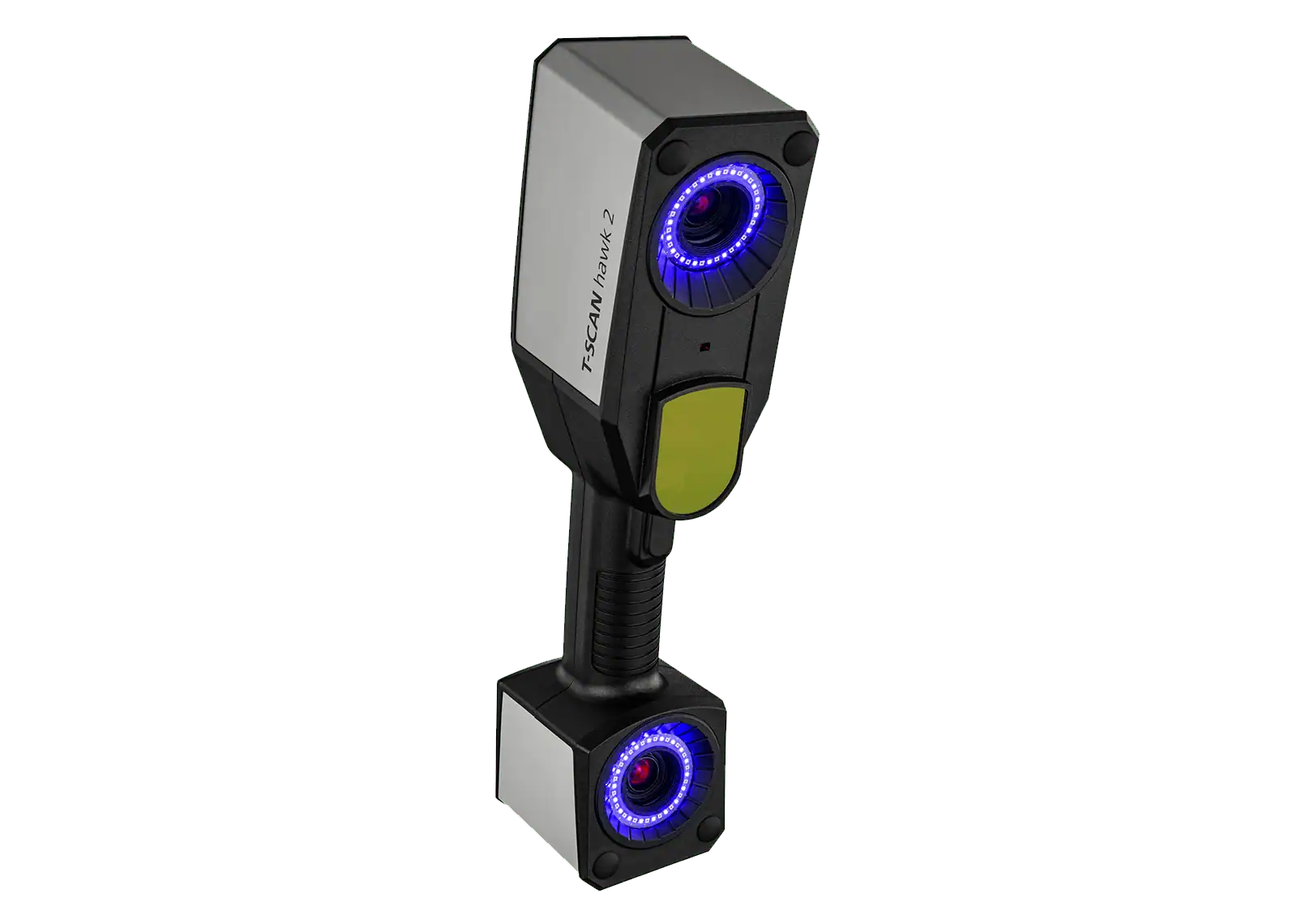
ZEISS offers lightweight, portable solutions like the T-SCAN hawk 2 and the ATOS Q, designed to move from the measuring room to the production floor and built to be dustproof and splashproof. These handheld tools deliver metrology-grade precision and feature an intuitive projection mode to help operators maintain the correct working distance. With adaptive resolution capabilities, they enable rapid capture of fine details in hard-to-reach areas or specific regions of interest.
Our Metrology Equipment for Medical Industry
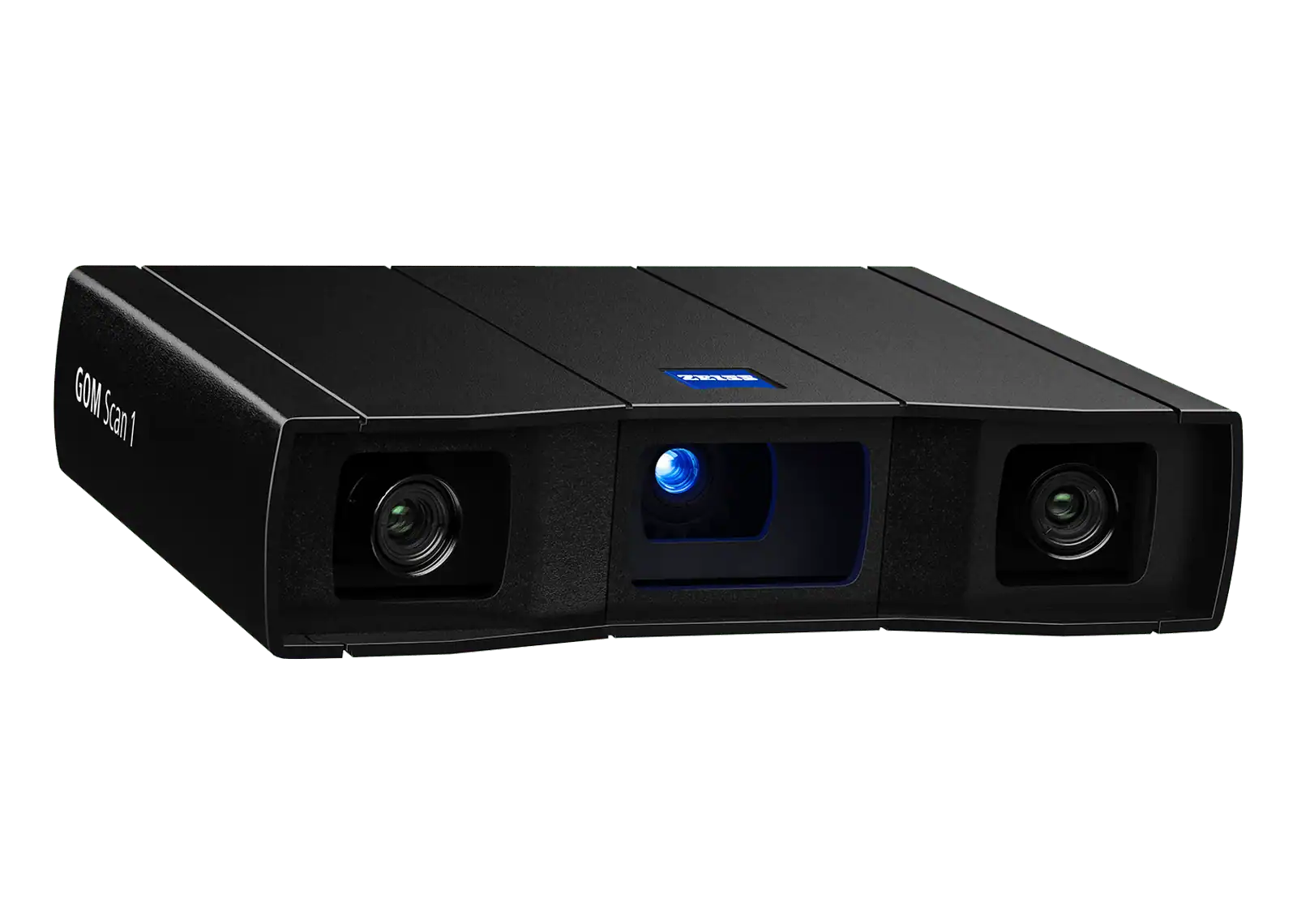
Our metrology systems provide fast, accurate, and traceable inspection for the medical industry across the design validation process, process development, and full production.
Interested to find out more?
Contact us today for expert guidance and discover how our metrology solutions can elevate your accuracy and efficiency
Connector and Cable Assemblies
Cable and Connector Assemblies Metrology Solution
Quality Inspection and Metrology for Cable and Connectors Assemblies
The cable and connectors industry is the foundation of modern technology, yet it faces an increasingly volatile landscape of technical and environmental demands. As devices become smaller and more powerful, the margin for error effectively vanishes.
Challenges in Cable and Connector Assemblies
Precision Stamping and Tooling Wear
High-speed stamping of thin metal strips into connector pins and terminals demands strict dimensional control. Even minor misalignment or tooling wear can cause axial distortion, terminal deformation, or excessive indentation, compromising structural integrity.
Complex Termination and Crimping
Achieving a secure, gas-tight crimp requires precisely matched tooling and correct crimp height. Tool damage or improper adjustment can cause poor mechanical retention or high contact resistance, leading to wire pull-out or localized overheating and early-life field failures.
The Hurdle of Miniaturisation
As devices shrink, connectors must deliver high electrical performance in increasingly compact designs, driving the use of advanced alloys and high-performance plastics like liquid crystal polymers that must endure extreme thermal stress without cracking or dielectric degradation.
Maintaining Plating Uniformity
Electroplating terminals with gold or tin improves conductivity and corrosion resistance, but maintaining uniform plating thickness is critical. Insufficient or defective surface treatment can expose base metals, increasing oxidation, contact resistance, and long-term signal degradation.
Managing Solder Wicking
During soldered assembly, solder wicking can cause stranded wire to absorb solder beyond the joint, creating a rigid, brittle fracture zone. This rigidity makes the wire prone to snapping under vibration or repeated movement.
Delicate Wire Preparation and Alignment
Stripping requires precise dimensions and alignment to avoid internal damage. Improper insulation removal or conductor nicks create hidden fatigue points that can cause premature failure. As conductor density increases, maintaining these tolerances becomes increasingly difficult for assembly teams
How Metrology Helps
Metrology is indispensable for identifying defects in cables and connectors, ensuring that parts remain within strict tolerances to prevent malfunctions or operational failures. By determining the precise X, Y, and Z coordinates of specific points, metrology systems can detect deviations from designs at an early stage.
Ensuring Dimensional Precision and Geometry Accuracy
A key assembly challenge is ensuring intricate components like connectors and thin foils fit precisely in tight spaces. Metrology provides critical geometry data for inspecting moulds, tools, and plastic parts, preventing mismatches that cause poor contact pressure, misalignment, and system failure.
Internal Structural Analysis via Computed Tomography
Manufacturers often cannot detect hidden defects inside overmoulded connectors or complex housings without destroying the part. Metrology enables non-destructive internal visualization, allowing inspection for hidden flaws like internal shorts or misaligned pins, ensuring connectors match original designs before field deployment.
Comprehensive Root Cause and Failure Analysis
Recurrent field failures and customer complaints demand thorough investigation. High-resolution inspection reveals microscopic defects—such as solder fractures, corrosion, or residues—that cause intermittent faults. Understanding these root causes enables structured corrective actions to improve long-term reliability.
Process Optimisation and Rework Reduction
Integrating precise measurement across the manufacturing lifecycle, from R&D to mass production, helps detect deviations early. Intelligent software captures and analyses shop-floor data, enabling quality tracking across machines and production lines. This data-driven approach reduces rework and material waste by ensuring parts are “first-time right.”
Verification of Material and Environmental Integrity
Cables and assemblies must endure harsh conditions such as extreme temperatures, vibration, and chemicals. Metrology helps assess material properties and component behavior under stress, ensuring materials won’t prematurely age or fail. Measuring deformation and degradation in simulated environments helps mitigate risks like thermal expansion, brittleness, or dielectric breakdown.
Global Traceability and Regulatory Compliance
For manufacturers operating across multiple locations, maintaining consistent quality is challenging. Metrology ensures parts meet international standards and safety requirements, providing documentation for audits and certifications. Traceable measurement results help sustain quality across the global supply chain, protecting brand reputation and user safety.
Why Use ZEISS Metrology Equipment for Cable and Connector Assemblies
Choosing the right metrology equipment is critical for controlling variation in cable and connector manufacturing and ensuring reliable, repeatable measurement results across production environments.
Non-Destructive Internal Inspection
Manufacturers can use the ZEISS METROTOM 1 to inspect electrical connectors and assemblies nondestructively. This industrial CT system detects hidden defects and verifies internal structures to ensure complete assembly integrity.
Highly Accurate Dimensional Control
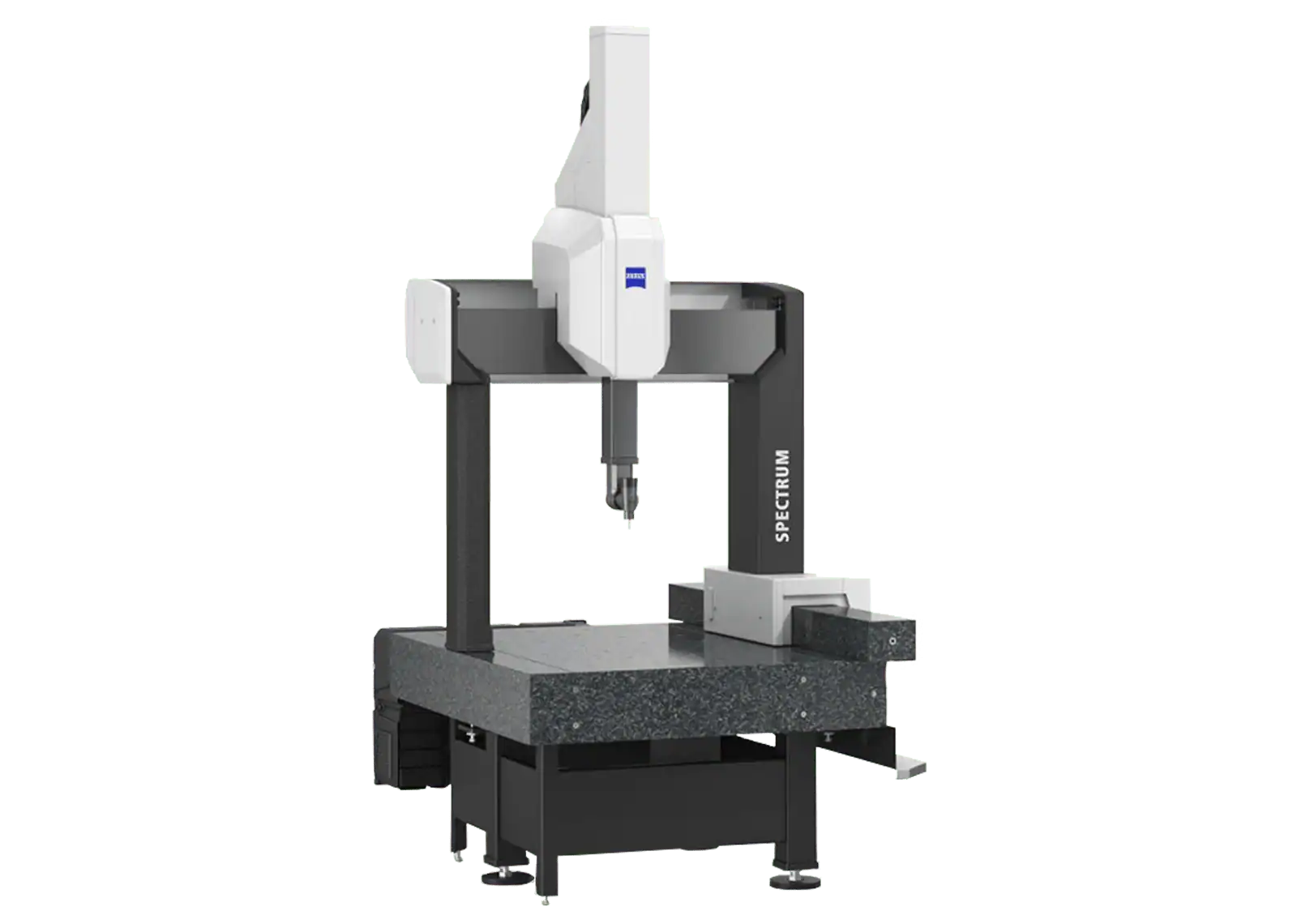
To maintain strict geometric tolerances for reliable connectivity, ZEISS CMMs like SPECTRUM deliver precise dimensional measurements of metal and plastic components. They verify parts against CAD specifications, helping prevent mating failures and signal loss.
Flexible Shop-Floor 3D Scanning
The ZEISS ATOS Q offers mobile metrology for capturing high-speed, detailed 3D data on the production floor. It supports inspection of complex geometries and reflective surfaces, ideal for plastic-injected components and intricate metal-formed parts.
Portable Damage and Wear Monitoring
For large assemblies and rugged environments, the handheld ZEISS T-SCAN hawk 2 detects dents, corrosion, and wear. This portable laser scanner is effective for maintenance, quality control in confined spaces, and remanufacturing legacy parts.
Precision Prototyping and Reverse Engineering
The ZEISS GOM Scan 1 helps manufacturers generate precise 3D meshes for small to medium parts, enabling efficient reverse engineering, verification of 3D-printed components, and validation of new designs against industrial standards before mass production.
Comprehensive Nominal-Actual Data Comparison
ZEISS INSPECT software lets manufacturers evaluate measurement data from various scanners and machines to compare actual dimensions against CAD models. It enables rapid defect detection, tolerance checks, and detailed reporting to ensure assemblies meet exact specifications.
Our Metrology Equipment for Cable and Connectors
Our metrology systems provide fast, accurate, and traceable inspection for cables and connectors across the design validation process development, and full production.
Interested to find out more?
Contact us today for expert guidance and discover how our metrology solutions can elevate your accuracy and efficiency








Electronic Components
Electronic Components Metrology Solution
Quality Inspection and Metrology for Electronic Components
The electronic components industry is the foundation of modern technology, yet it faces an increasingly volatile landscape of technical and environmental demands. As devices become smaller and more powerful, the margin for error effectively vanishes.
Challenges in Electronic Components
Creep-Fatigue in Solder Joints
Solder interconnections experience combined creep and fatigue during thermal cycling and vibration, causing crack initiation and eventual fracture.
CTE Mismatch Stress
Different thermal expansion rates between PCBs and components create cyclic stresses, accelerating brittle intermetallic layer growth and reducing solder joint fatigue life.
Chloride and Galvanic Corrosion
High humidity and salt environments cause localized pitting and galvanic corrosion in micro-interconnections, especially wire bonds, weakening connections over time.
Conductive Anodic Filament (CAF) Formation
Moisture-driven electrochemical migration in high-density PCBs forms conductive filaments that cause intermittent shorts and dielectric breakdown.
Microstructural Aging of Lead-Free SAC Solder
Thermal aging coarsens Ag3Sn precipitates and thickens Cu6Sn5 layers, lowering strength and ductility and increasing brittle fracture risk.
Brittle Fracture from Shock and Vibration
High-strain-rate mechanical shocks and vibration concentrate stress at package corners and chip interfaces, causing rapid crack propagation and sudden failure.
Applications
Printed Circuit Board (PCB) Production and Assembly
Metrology is essential for verifying high-density component placement and ensuring conductive patterns on PCBs match design specifications. Advanced 3D scanning and optical inspection systems confirm precise alignment and correct etching or copper deposition, preventing signal interference and ensuring reliable board performance as routing becomes increasingly dense.
Solder Joint Integrity and Internal Defect Analysis
Solder joints are often the weakest link in electronic packaging, vulnerable to voids, cracks, and delamination. Industrial CT metrology enables non-destructive inspection of these hidden structures, detecting issues like thermal cycling-induced cracking or popcorning before they cause complete failure.
Passive Components (Resistors and Capacitors)
As electronic components continue to miniaturise, metrology is used to verify the dimensions of passive parts like resistors and capacitors. High-precision inspection systems ensure these components meet strict size requirements, which is essential for successful automated pick-and-place assembly
Reverse Engineering and Prototyping
When CAD data for legacy electronic components is unavailable, metrology enables maintenance, repair, and remanufacturing (MRO). 3D laser scanning captures the exact geometry of obsolete or damaged parts, creating accurate digital twins for reproduction or improvement—ensuring older critical systems remain operational.
Structural Housings and Enclosures
Advanced 3D scanning and coordinate measurement ensure that plastic casings and metal enclosures provide a perfect fit for sensitive internal parts. Accurate dimensions are critical for aligning internal components and protecting the device from environmental hazards such as moisture, dust, or mechanical impact
Electromechanical Switches and Relays
Metrology helps maintain the integrity of electromechanical parts, including switches and relays, by checking the accuracy of moving parts and contact surfaces. Surface finishes, such as electroplating, are also measured to ensure proper conductivity and resistance to wear during the component’s operational life
How Metrology Helps
Metrology is indispensable for identifying defects in electronic components, ensuring that parts remain within strict tolerances to prevent malfunctions or operational failures,. By determining the precise X, Y, and Z coordinates of specific points, metrology systems can detect deviations from designs at an early stage.
High-Speed Non-Contact Optical Inspection
Vision-based systems offer high-precision, non-contact inspection for sensitive components like silicon chips and PCBs. They detect surface defects in real time—such as missing parts, misalignment, or insufficient solder paste—and measure critical dimensions like line widths and gold finger spacing to prevent performance issues in high-density circuits.
Internal Structural Analysis via Computed Tomography
Industrial Computed Tomography (ICT) enables non-destructive inspection of internal structures, allowing manufacturers to “look inside” components without damage. It detects hidden defects such as voids, pores, and micro-cracks in multi-layer assemblies. By reconstructing a full 3D volume model, ICT evaluates internal solder joints and high-concentration features like pinholes that surface scanning cannot access.
Microscopic Characterisation of Material Degradation
Scanning Electron Microscopy (SEM) is used to inspect the microstructure of electronic interconnections, detecting early crack initiation and monitoring intermetallic compound (IMC) growth that can cause brittle fractures. SEM also quantifies selective and pitting corrosion on submicron wire bonds, revealing how harsh environments can lead to failure over time.
Dimensional Verification and Tolerance Mapping
Coordinate metrology uses tactile or scanning probes to verify complex geometries within single-digit micron tolerances. It ensures pin coplanarity and solder bump height for stable electrical contact. By comparing parts to CAD models, deviations are detected early, reducing rejects and preventing assembly failures.
Electrical Performance and Resistance Diagnostics
Metrology also includes measuring electrical properties like voltage, current, and resistance to verify component functionality. High-precision multimeters and oscilloscopes diagnose signal behaviour and confirm compliance with specifications. Tracking resistance changes is also a key method for detecting fatigue crack growth and interconnection failure during reliability testing.
Environmental and In-Process Monitoring
Integrated metrology continuously monitors manufacturing conditions and process parameters to prevent defects before they occur. Data loggers track temperature and humidity to avoid moisture-related issues like popcorning or delamination during reflow. Monitoring machine axis positions and motor current provides real-time insight into tool stability, helping detect breakage or mechanical issues that could affect component quality.
Why Use ZEISS Metrology Equipment for Electronic Components
Choosing the right metrology equipment is critical for controlling variation in electronic component manufacturing and ensuring reliable, repeatable measurement results across production environments.
Holistic Solutions Across the Production Lifecycle
ZEISS provides a connected metrology portfolio across the electronics value chain—design verification, mass production inspection, and failure analysis. With specialised systems like industrial microscopes, 3D scanners, CMMs, and industrial CT, manufacturers can optimise processes and reduce product rework.
Deep Insights via Non-Destructive Internal Inspection
A key advantage of ZEISS equipment is the ability to “reveal the unseen” through industrial CT. Systems like METROTOM enable non-destructive inspection of internal structures and hidden defects without part preparation. This is critical for evaluating high-concentration features such as pinholes and internal solder joints in complex assemblies.
Precision Engineering for Miniaturised Components
As camera modules and silicon chips shrink, ZEISS delivers high-resolution measurement capabilities to maintain tight tolerances. Solutions like GOM Scan 1 are designed for fast, accurate scanning of small to medium parts in confined spaces, ensuring structural components such as smartphone housings fit perfectly even in tight assemblies.
Root Cause Analysis and Yield Improvement
ZEISS metrology goes beyond measurement to identify the root causes of failures and improve product yield. Their systems enable detailed defect detection and failure analysis, helping manufacturers understand why a part failed and how to prevent it. This proactive approach reduces customer complaints and lowers production costs.
Advanced Software Integration
ZEISS INSPECT complements ZEISS hardware by simplifying the evaluation of tactile, optical, and X-ray data. It enables accurate nominal-actual comparisons against CAD models to ensure parts meet specifications. Visualising volume data and trend analysis across machines accelerates decision-making on the shop floor.
Portable 3D Laser Scanning
For large electronic structures like base station frames, smartphone housings, or automotive battery packs, the ZEISS T-SCAN hawk 2 delivers metrology-grade precision in a lightweight handheld format. Its Satellite Mode enables accurate scanning of objects several metres long without traditional markers, while projection mode helps operators maintain optimal working distance for precise data capture.
Our Metrology Equipment for Electronic Components
Our metrology systems provide fast, accurate, and traceable inspection for electronic components across design validation process development, and full production.
Interested to find out more?
Contact us today for expert guidance and discover how our metrology solutions can elevate your accuracy and efficiency
Aerospace
Aerospace Metrology Solution
Quality Inspection and Metrology for Aerospace
Aerospace manufacturing requires unparalleled precision to ensure the structural integrity of safety-critical components. As the sector moves towards more complex designs and rapid production rates, metrology has become the essential bridge between advanced engineering and functional reliability.
Challenges in Aerospace
- Extreme Operating Conditions: Components must perform flawlessly under intense pressure, thermal cycling, and high-velocity stresses, where even minute deviations can lead to failure.
- Stringent Dimensional Tolerances: Manufacturing often requires sub-millimetre precision; for instance, high-pressure turbine blade tips require gaps between 0.199 and 0.625 mm.
- Material Heterogeneity: The increasing use of advanced composites (PMCs, MMCs, CMCs) introduces risks of invisible internal defects such as delamination, matrix cracking, and porosity.
- Environmental Degradation: Constant exposure to moisture, UV radiation, and chemical fluids (like hydraulic leaks) leads to resin swelling and weakened structural bonding.
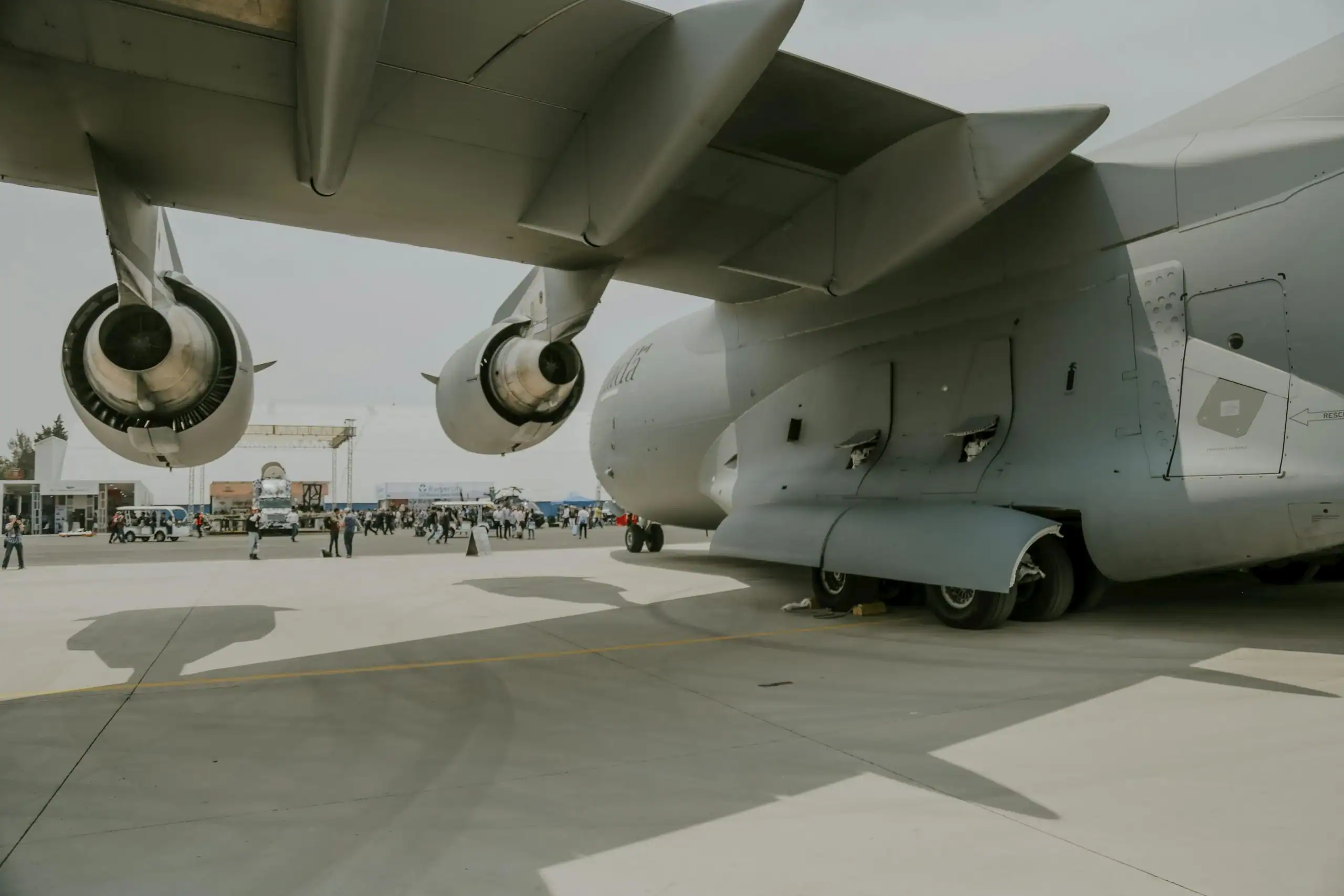
- Ramp and Maintenance Damage: A significant 36–40% of aircraft damage stems from ground-handling activities, often referred to as “friendly foreign object damage”.
- Aging Fleet Vulnerability: Older aircraft face risks from Multiple-Site Damage (MSD), where small fatigue cracks from fastener holes can link up and cause catastrophic structural failure.
Applications
Maintenance, Repair, and Overhaul (MRO)
Metrology solutions, such as portable 3D scanners, are used to perform rapid inspections of aircraft surfaces to detect dents, corrosion, and other structural damage. These digital records allow maintenance teams to validate repairs or recreate exact replicas for damaged parts quickly, significantly reducing aircraft downtime
Ground Support Equipment (GSE) and Tooling Validation
The accuracy of ground support equipment and manufacturing tools, such as assembly jigs and fixtures, is verified using high-precision measurement systems. This ensures that GSE remains within strict tolerances, preventing “friendly foreign object damage” during ground handling and maintaining component alignment throughout the service life of the equipment
Turbine Blade and Aero Engine Inspection
Engineers utilise industrial computed tomography (CT) to non-destructively “look inside” aero engine components, such as turbine blades, to inspect intricate internal cooling channels and detect casting defects. This precision ensures optimal engine durability, safety, and fuel efficiency by identifying hidden flaws that would be invisible to the naked eye
Large-Scale Airframe Assembly and Alignment
For massive components like wings and fuselage panels, laser trackers and optical sensors provide high-accuracy 3D coordinate measurements over large volumes. These tools facilitate the precise alignment and docking of airframe sections, ensuring that micro-gaps remain within aerodynamic limits for structural stability
Quality Assurance for Additive Manufacturing (3D Printing)
3D printing introduces unique challenges, such as surface imperfections and internal material anxieties caused by the layer-wise building process. Metrology products are essential for validating the complex internal geometries of these parts, ensuring that additively manufactured components for launch systems and satellites meet rigorous safety specifications
Reverse Engineering and Legacy Part Support
When original OEM drawings or suppliers for aging aircraft are no longer available, 3D scanning is used to recreate digital models from existing parts. This process allows for the accurate reproduction of legacy components, ensuring that replacement parts for older fleets fit perfectly and conform to modern performance standards
How Metrology Helps
Metrology, the science of measurement, serves as the backbone of precision engineering in aerospace. It is essential because standard measurement practices cannot accommodate the micron-level precision required for modern aircraft components
Safety Assurance
Advanced measurement identifies minute defects early in the manufacturing lifecycle to prevent catastrophic failures during operation
Component Accuracy
It verifies that every individual part conforms exactly to design tolerances, which is vital for high-performance flight
Interchangeability
Precision data ensures that components produced by different global suppliers fit and function seamlessly during final assembly
Regulatory Compliance
Comprehensive measurement data is required to satisfy the rigorous safety standards of aviation authorities like the FAA and EASA
Cost Mitigation
Reducing scrap rates and assembly malfunctions through precise quality control helps manufacturers maintain a “first-time right” production model
Performance Optimisation
Accurate measurement guarantees that aerodynamic shaping meets structural requirements for maximum fuel efficiency and reduced emissions
Why Use ZEISS Metrology Equipment for Aerospace
Choosing the right metrology equipment is critical for controlling variation in aerospace manufacturing and ensuring reliable, repeatable measurement results across production environments.
Navigating Geometrical Complexity and Surface Reflectivity
Aerospace components like turbine blades and usage panels feature intricate freeform curves and undercuts that are notoriously difficult for standard sensors to map. Traditional optical 3D scanners frequently fail on reflective or dented surfaces due to light interference and “noise”
Identifying “Invisible” Internal Defects in Composites
Advanced composites (PMCs, MMCs and CMCs) introduce hidden defects such as delamination, porosity and matrix cracking. METROTOM 1 enables non-destructive internal inspection to reveal these issues and complex internal features without part preparation. ZEISS software automatically optimises scan parameters, making CT-based NDT fast, repeatable and suitable for production-scale batch inspection.
Streamlining MRO for Large-Scale Airframe Structures
MRO teams are under pressure to minimise aircraft downtime, yet 36–40% of damage occurs during ramp and maintenance activities. Traditional large-area 3D scanning requires time-consuming coded markers. ZEISS T-SCAN hawk 2 eliminates this with its Satellite Mode, enabling fast, marker-free scanning of multi-metre structures for efficient dent detection, corrosion assessment, repair validation and reverse engineering.
Measuring Fragile and Flexible Components with Net-Zero Force
Aerospace manufacturing involves many thin-walled and flexible components that can deform under conventional tactile probing, leading to inaccurate measurements and false rejects. The ZEISS SPECTRUM family with the VAST XT gold sensor uses Active Scanning with net-zero force and SoftTouch Mode to measure delicate structures without deformation, ensuring reliable and repeatable accuracy.
Overcoming Shop-Floor Thermal Fluctuations
High-precision CMMs are often restricted to climate-controlled rooms due to temperature-induced measurement drift, creating production bottlenecks. ZEISS SPECTRUM CMMs use virtually expansion-free glass ceramic scales, while METROTOM 1 employs Active Temperature Balancing to stabilise temperatures. Together, they enable accurate, high-precision metrology directly on the production floor without thermal distortion.
Eliminating Data Silos for Regulatory Traceability
Aerospace engineering demands strict compliance with FAA and EASA requirements, yet fragmented metrology data makes it difficult to maintain a continuous digital record. ZEISS INSPECT provides a single interface for tactile, optical and X-ray data, while ZEISS PiWeb consolidates and analyses results from multiple sources. Together, they create traceable, lifecycle-linked measurement data that supports Digital Twins and simulation-driven, predictive maintenance.
Our Metrology Equipment for Aerospace
Our metrology systems provide fast, accurate, and traceable inspection for aerospace parts across design validation process development, and full production.
Interested to find out more?
Contact us today for expert guidance and discover how our metrology solutions can elevate your accuracy and efficiency
Equipment Component Metrology Solution
Equipment Component Metrology Solution
Quality Inspection and Metrology for Machinery & Equipment Components
Machinery and equipment must operate reliably under demanding conditions. Even minor dimensional errors can lead to mechanical failure, reduced performance, or safety hazards. Metrology ensures machines and equipment parts are manufactured accurately and consistently, supporting operational excellence and long-term reliability.
Why Metrology Matters
Metrology is essential because machinery and equipment often involve:
Complex assemblies
Tight tolerance fits
High load and stress requirements
Critical safety standards
Accurate measurement prevents downtime, reduces warranty costs, and improves overall system performance.

Applications
Pumps
Pump components require detailed geometric verification and surface assessment. Accurate measurement of impellers, housings, and sealing surfaces is essential for consistent fluid flow and pressure performance.
Housing
Housing measurement is essential due to its role in alignment and structural integrity. Dimensional verification of mounting features, bores, and interfaces ensures proper assembly and reliable equipment operation.
Shafts
Shaft measurement focuses on geometric accuracy and alignment. Straightness, diameter consistency, and surface integrity must be verified to prevent misalignment and premature wear in assemblies.
Gears
Gear measurement is complex due to tooth geometry and tight functional tolerances. Precise evaluation of tooth profile, pitch, and surface quality is critical for noise reduction and reliable power transmission.
Valves
Valve inspection demands precision for sealing surfaces and flow control features. Dimensional accuracy and surface integrity are critical to ensure reliable operation and prevent leakage under pressure.
Bearings
Measuring bearings involves tight tolerance control and surface precision. Accurate inspection of roundness, concentricity, and surface finish is essential to ensure smooth rotation and long-term durability.
Holder, Clamping, Chuck
Holder and clamping systems require accurate alignment and repeatability. Inspection ensures secure gripping and consistent positioning, which are vital for stable machining and reduced part deviation.
Tool / Form
Tool and form inspection focuses on geometry, edge definition, and surface accuracy. Precise measurement is necessary to ensure consistent tool performance, reduce wear, and maintain production quality.
Spindles
Spindle inspection requires high precision for straightness, runout, and balance. Any deviation can affect machining accuracy and cause vibration, reducing equipment performance and component life.
How Metrology Helps
Improves Assembly Fit and Alignment
Ensures parts fit correctly in complex assemblies, reducing wear and failure.
Detects Defects Early
Identifies errors before full assembly, reducing scrap and rework.
Optimises Manufacturing Processes
Measurement data helps fine-tune machining, casting, and forming processes.
Reduces Field Failures and Warranty Costs
Prevents defective components from reaching the customer, improving reliability.
Enhances Safety and Compliance
Ensures equipment meets safety standards and regulatory requirements.
Supports Traceability and Quality Records
Provides documented measurement history for audits and quality control.
Why Use ZEISS Metrology Equipment for Equipment Component Manufacturing
Choosing the right metrology equipment is critical for controlling variation in equipment component manufacturing and ensuring reliable, repeatable measurement results across production environments.
Industry Leading Measurement Accuracy and Stability
ZEISS systems are engineered for long term accuracy and thermal stability, ensuring consistent measurement results even in demanding shop floor environments. This reduces measurement uncertainty and minimizes false rejects compared to less stable systems.
Comprehensive End to End Metrology Portfolio
Unlike single technology solutions, ZEISS offers a complete metrology ecosystem including CMMs, optical 3D scanners, industrial CT, and advanced software. This allows automotive manufacturers to inspect everything from small precision components to complex assemblies using a unified measurement strategy.
Advanced Software and Data Confidence
ZEISS software provides powerful analysis, GD and T evaluation, and digital traceability. Measurement data is reliable, repeatable, and fully auditable, giving manufacturers higher confidence in decision making and compliance compared to fragmented or standalone inspection tools.
High Throughput and Automation Ready
ZEISS metrology systems are designed for automation, enabling fast inspection cycles, in line and at line integration, and reduced operator dependency. This makes ZEISS especially suitable for high volume automotive production where speed and repeatability are critical.
Capability for Complex and Non Destructive Inspection
With industrial CT and advanced scanning technologies, ZEISS enables non destructive inspection of internal structures, assemblies, and hidden defects. This capability is difficult to achieve with conventional metrology solutions and is critical for modern automotive components such as castings, welded parts, and EV components.
Global Support, Local Expertise, and Long Term Partnership
ZEISS combines global application knowledge with local technical support, ensuring systems are properly implemented, optimized, and supported throughout their lifecycle. This long term partnership approach reduces downtime and maximizes return on investment.
Our Metrology Equipment
Our metrology systems provide fast, accurate, and traceable inspection for equipment components across design validation process development, and full production.
Interested to find out more?
Contact us today for expert guidance and discover how our metrology solutions can elevate your accuracy and efficiency
Automotive Metrology Solution
Automotive Metrology Solution
Quality Inspection and Metrology for Automotive Industry
Automotive manufacturing demands high precision, strict compliance, and consistent quality across high volume production. From engine components to safety parts and structural assemblies, metrology plays a critical role in ensuring parts meet strict specifications, regulatory requirements, and performance standards.
Quality inspection and metrology help automotive manufacturers improve product reliability, reduce rework, and prevent costly recalls by ensuring parts are accurate, safe, and consistent throughout production.
Why Metrology Matters
Automotive manufacturing faces many challenges that directly affect product quality and production efficiency:
Dimensional Variations
High speed production and tight tolerances often cause dimensional deviations due to tool wear, material inconsistencies, and process drift.
Complex Geometry and Assemblies
Modern automotive parts involve complex shapes and multi-component assemblies, making measurement and inspection more difficult.
Material Properties and Stress
Metal parts experience deformation due to heat, stress, and machining processes, which can lead to warpage, bending, and misalignment.
Surface and Form Deviations
Issues like surface roughness, burrs, and form errors affect performance, assembly fit, and durability.
Regulatory Compliance
Automotive parts must meet strict safety standards and traceability requirements for quality control and certification.

Applications
Engine and Transmission Components
Measurement of crankshafts, camshafts, gears, and housings for accurate fit and performance.
Body and Structural Parts
Inspection of stamped panels, welded assemblies, and chassis components for dimensional accuracy and assembly alignment.
Plastic and Interior Components
Verification of moulded parts, dashboards, connectors, and interior trims for fit and finish.
Safety and Critical Parts
Inspection of braking systems, steering components, and suspension parts to ensure safety and performance standards.
Tooling and Fixture Validation
Ensuring jigs, fixtures, moulds, and dies are accurate to prevent production errors and reduce downtime.
Battery and Electric Vehicle Components
Metrology is essential for inspecting high precision components used in electric vehicles, such as battery modules, cells, housings, and cooling systems. Accurate measurement ensures proper fit, electrical performance, and thermal management, helping prevent safety issues and improving overall vehicle reliability.
How Metrology Helps
Accurate Measurement of Critical Features
Precise measurement of dimensions, form, and surface quality to meet design specifications
Early Defect Detection
Identify defects early in the process to reduce scrap, rework, and production delays.
Process Optimisation
Monitor production trends and tool wear to maintain consistent quality and improve manufacturing efficiency.
Assembly Validation
Check assembly alignment and fit to prevent failure and improve product performance.
Traceability and Compliance
Provide data traceability for quality audits and regulatory requirements.
Reduced Time to Market
By enabling faster inspection, quicker feedback, and efficient validation of parts and assemblies, metrology helps automotive manufacturers shorten development cycles and accelerate production ramp up while maintaining quality and compliance.
Why Use ZEISS Metrology Equipment for Automotive Industry
Choosing the right metrology equipment is critical for controlling variation in automotive industry and ensuring reliable, repeatable measurement results across production environments.
Industry Leading Measurement Accuracy and Stability
ZEISS systems are engineered for long term accuracy and thermal stability, ensuring consistent measurement results even in demanding shop floor environments. This reduces measurement uncertainty and minimizes false rejects compared to less stable systems.
Comprehensive End to End Metrology Portfolio
Unlike single technology solutions, ZEISS offers a complete metrology ecosystem including CMMs, optical 3D scanners, industrial CT, and advanced software. This allows automotive manufacturers to inspect everything from small precision components to complex assemblies using a unified measurement strategy.
Advanced Software and Data Confidence
ZEISS software provides powerful analysis, GD and T evaluation, and digital traceability. Measurement data is reliable, repeatable, and fully auditable, giving manufacturers higher confidence in decision making and compliance compared to fragmented or standalone inspection tools.
High Throughput and Automation Ready
ZEISS metrology systems are designed for automation, enabling fast inspection cycles, in line and at line integration, and reduced operator dependency. This makes ZEISS especially suitable for high volume automotive production where speed and repeatability are critical.
Capability for Complex and Non Destructive Inspection
With industrial CT and advanced scanning technologies, ZEISS enables non destructive inspection of internal structures, assemblies, and hidden defects. This capability is difficult to achieve with conventional metrology solutions and is critical for modern automotive components such as castings, welded parts, and EV components.
Global Support, Local Expertise, and Long Term Partnership
ZEISS combines global application knowledge with local technical support, ensuring systems are properly implemented, optimized, and supported throughout their lifecycle. This long term partnership approach reduces downtime and maximizes return on investment.
Our Metrology Equipment for Automotive Industry
Our metrology systems provide fast, accurate, and traceable inspection for plastic parts across design validation process development, and full production.
Interested to find out more?
Contact us today for expert guidance and discover how our metrology solutions can elevate your accuracy and efficiency
Metal Processing Metrology Solution
Metal Processing Metrology Solution
Quality Inspection and Metrology for Metal Processing
Metal processing and manufacturing are the backbones of modern engineering, yet the industry faces significant technical hurdles in achieving the precision and durability required for safety-critical structural elements. Metrology has emerged as a vital discipline to navigate these challenges, ensuring that every component meets rigorous performance and regulatory standards.
At Global TechSolutions, our metrology solution helps manufacturers validate part geometry, ensure compliance with design specifications, and reduce scrap rates through reliable and repeatable inspection. From first article inspection to production monitoring, our systems deliver precise measurements for complex metal components, enabling consistent product quality and process improvement.
Why Metrology Matters
Common Quality Challenges in Metal Processing
Warpage and distortion in casted and stamped parts
Dimensional inaccuracy in tight tolerance machined components
Undetected surface defects such as scratches, burrs, and dents
Tooling wear and process variation in CNC machining and stamping
Difficulty maintaining repeatability and batch consistency
Low yield due to heat treatment, stress relief, or forming issues

Applications
Sheet Metal Forming
Measure part geometry and deformation after forming processes such as bending, deep drawing, and roll forming. Dimensional inspection detects deviations such as springback, distortion, and inconsistent bend angles to ensure repeatable quality.
CNC Miling
Verify feature dimensions, hole positions, and GD&T for precision machined metal components, ensuring proper fit and function. NDT can also be applied to detect internal cracks, porosity, and inclusions without damaging the part.
CNC Turning
Verify shaft diameter, concentricity, thread accuracy, and surface finish for turned components. Geometric dimensional inspection checks tolerance compliance for features such as roundness, cylindricity, and perpendicularity.
Die Casting
Validate die cast metal parts for dimensional accuracy, surface quality, and internal defects. This includes geometric dimensional inspection and non destructive testing to detect porosity, shrinkage, and internal cracks.
Stamping
Check hole placement, bend angles, and profile accuracy for high volume metal stamping production. Dimensional inspection detects deviations such as burrs, edge deformation, and stamping distortion.
Additive Manufacturing
Characterising internal defects like porosity and residual stress while validating precise dimensional accuracy. It further optimises the entire value chain—from powder characterisation to rapid print qualification—to increase manufacturing yield and accelerate time-to-market.
How Metrology Helps
Metrology is essential in metal manufacturing because it provides accurate measurement data that drives quality control, process improvement, and operational efficiency. By using advanced inspection systems, manufacturers can identify defects earlier, reduce scrap, and maintain consistency across production batches.
Improve Dimensional Accuracy
Metrology ensures metal parts meet design specifications by accurately measuring critical dimensions and geometric features. This includes the detection of deviations such as flatness, roundness, straightness, and cylindricity, which are common challenges due to machining errors, tool wear, thermal expansion, and material stress.
Increase Production Consistency
Measurement data helps monitor process stability and detect variation across batches. This ensures consistent quality and repeatable manufacturing outcomes.
Reduce Scrap and Rework
Early defect detection allows manufacturers to identify issues before they become costly production problems. This improves yield and reduces material waste.
Enable Faster Root Cause Analysis
Detailed inspection reports help identify the source of defects, whether from tooling, machine wear, or process parameters. This supports faster corrective actions and continuous improvement.
Ensure Compliance and Traceability
Metrology provides accurate measurement records that support compliance with industry standards and customer requirements. Traceability also helps in audits and quality certifications.
Support Tooling Validation and First Article Inspection
Metrology is critical during tooling setup and first article inspection to ensure production starts correctly and maintains the required tolerances from day one.
Why Use ZEISS Metrology Equipment for Metal Processing
Choosing the right metrology equipment is critical for controlling variation in metal processing and ensuring reliable, repeatable measurement results across production environments.
High Precision and Accuracy
Metal manufacturing demands the highest level of precision, repeatability, and reliability. ZEISS metrology systems provide advanced measurement technology that helps metal manufacturers achieve consistent quality, reduce production costs, and improve process control.
Comprehensive Measurement Software
ZEISS CALYPSO and ZEISS METROTOM software offer powerful measurement planning, GD&T analysis, and reporting capabilities. These tools streamline inspection workflows, enable first article inspection, and improve traceability for compliance requirements.
Non-Destructive Internal Inspection
ZEISS industrial CT solutions allow internal inspection of metal parts without destroying the sample. This is ideal for detecting porosity, shrinkage, internal cracks, and inclusions in die cast and forged components.
Improved Productivity and Cost Efficiency
ZEISS metrology systems help reduce scrap, rework, and inspection time by providing fast and reliable measurement data. With accurate results and automated reporting, manufacturers can optimize production and improve yield.
Fast measurement to support shorter time to market
Accelerate first article inspection and tooling validation to reduce development cycles and production delays.
Trusted Brand with Global Support
Backed by Global TechSolutions’ application know-how and ZEISS technology to support metal processing workflows.
Our Metrology Equipment for Metal Processing
Our metrology systems provide fast, accurate, and traceable inspection for metal-processed parts across the design validation process, development, and full production.
Interested to find out more?
Contact us today for expert guidance and discover how our metrology solutions can elevate your accuracy and efficiency
We are pleased to announce that Global TechSolutions will be exhibiting in SEMICON Southeast Asia 2026 as a Platinum Sponsor.
Come visit our booth in MITEC from 5-6 May to meet our specialists and explore our comprehensive solution and CIP capabilities.
We are also operating in Johor, Malaysia.
𝗘𝘃𝗲𝗻𝘁 𝗗𝗲𝘁𝗮𝗶𝗹𝘀
Date: 5-6 May 2026
Venue: MITEC, Kuala Lumpur, Malaysia
Booth: Level 1, Hall 2, #1719
We look forward to connecting with you to discuss new opportunities and collaborations. Feel free to contact us to schedule a dedicated meeting time during the event.